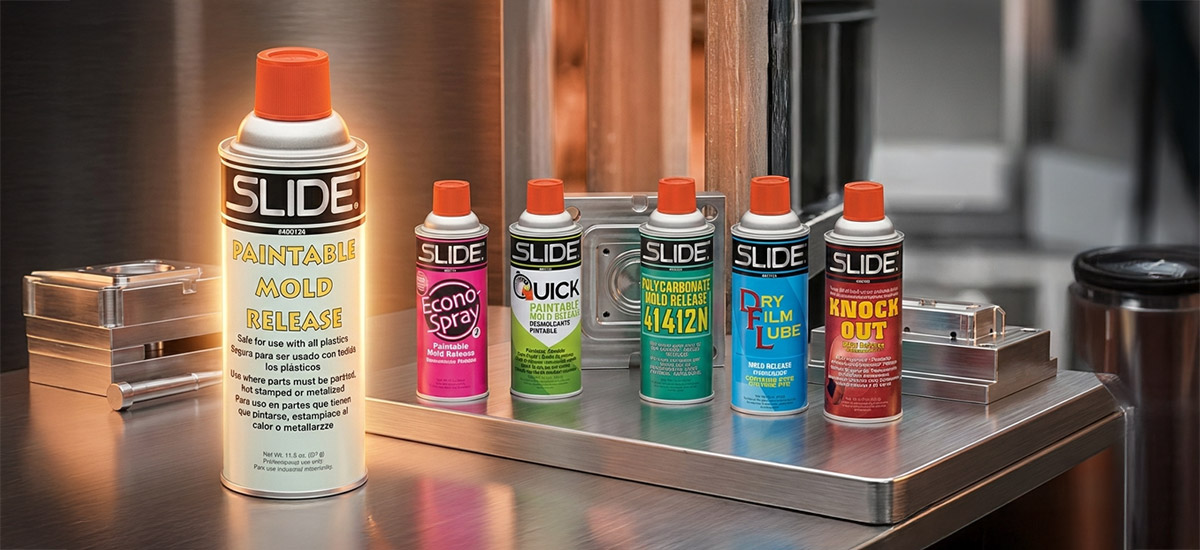
Choosing the right mold release is critical in achieving the desired results for a production run. It might be compared to the process of choosing the proper primer when painting a building – if the wrong one is picked, anything you try to put on top of it could slide right off.
Consider using a non-silicone, paintable mold release to ensure adequate lubrication without leaving transfer residue that interferes with post-molding paint, glue, labeling or other elements. The choice ultimately comes down to what is going to happen to the part after it leaves the mold.
Paintable formulations should be considered when:
A secondary operation to the part is required such as painting, plating, labeling or stamping
The part will ultimately be glued, welded or bonded to another component
The part requires a specific matte or gloss finish for high‑end aesthetics
Prevention of “fish-eyes” (crater-like defects caused by contaminants) is a concern
Paintable options are popular in the automotive, consumer electronics, medical devices, aerospace and toys industries. If cost/efficiency, maximum lubricity and high temperature stability are top priorities, or the part is “one and done”, non‑paintable mold releases typically work best.
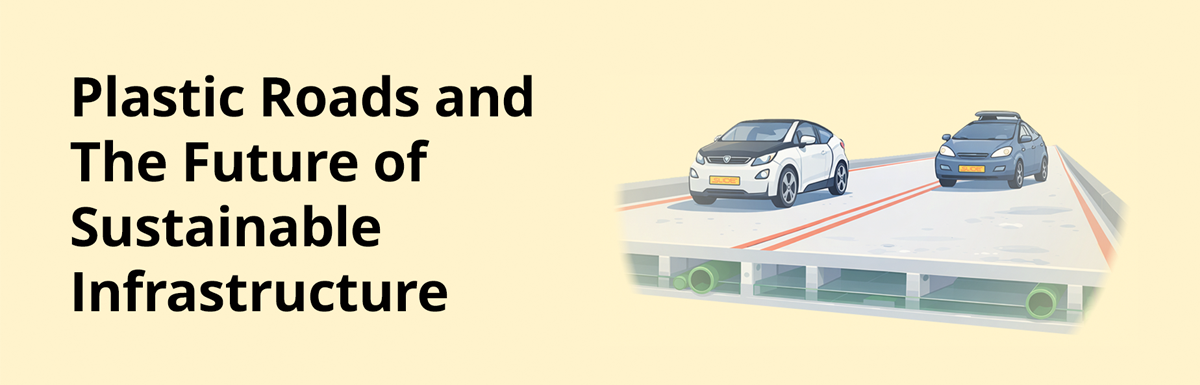
As the plastic injection molding industry faces growing concerns regarding pollution and waste, exploration is surfacing in the use of plastic-modified asphalt and modular designed recycled infrastructure. Although there are hurdles to overcome, the ultimate benefits of plastic roads would include enhanced performance, cost-effectiveness and support of a circular economy. Read more...
Connect with Slide on Social Media!
Slide continues to expand our social media presence. Follow us on your favorite platforms for money-saving tips, helpful tools, fun facts, and more: