State EPR Packaging Laws Are Shifting to Manufacturers – Is Your Shop Ready?
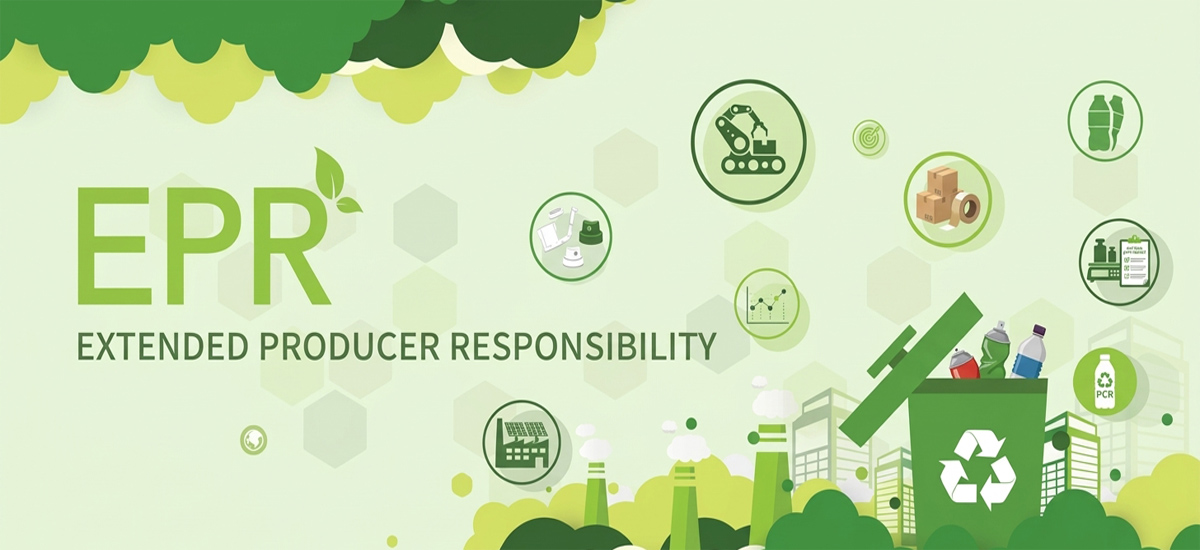
For years, recycling programs relied on consumers to sort waste at the curb, but that model has reached its limits. With follow-through rates remaining low and collection systems struggling, states are now shifting the financial and structural burdens more directly to manufacturers.
Currently seven states – (CA, CO, ME, MD, MN, OR and WA) – have active EPR packaging laws enacted with more expected to follow. If you are molding parts or are a packaging distributor in these states, your facility may need to adapt:
Shift in accountability: State EPR (Extended Producer Responsibility) programs now require brand owners and manufacturers to fund end-of-life infrastructure. To minimize regulatory fees, customers are looking to molders for lighter, more reclaimable fulfillment solutions.
Design and material choice: Fees are tiered based on material design. While these regulations aim to create incentives for packing with less material use or easier-to-recycle resins, execution can be problematic for manufacturers whose products are already heavily optimized or restricted by other criteria.
Data integration demands: Reporting of exact material streams has become mandatory and custom molders are expected to provide precise component weights, resin IDs and verifiable PCR content for each SKU.
The Baseline Matters
For example, Slide had already decreased the weight of aerosol can caps before these current requirements took effect. Previous caps weighed around 17 grams each, while current ones weigh about 2.5 – a near 85% reduction. However, because the guiding baseline was subsequently set, there is a narrower window of opportunity to achieve more cutbacks with this same approach.
Slide’s Chief Strategist, Michael Muth, acknowledges that the underlying intent of environmental stewardship is universally supported, but simple execution of these state-level programs has introduced major hurdles. While such directives are intended to encourage greater environmental responsibility and decrease non-essential material use, the implementation factor causes problems for manufacturers when certain cuts are not technically or practically feasible. Navigating specific mandates to account for every component – from aerosol caps and spray tips to box tape – has turned into a massive headache of double counting and rigid enforcement.
The takeaway: EPR regulations are active in seven states but continue to shape new protocols nationwide. Understanding how these demands affect material choice, packaging design and reporting will become progressively important as additional states consider similar programs.
Commitment to Sustainability
Slide has been consistently practicing robust environmental stewardship for many years, well before any new rulings became compulsory. Through our initiatives like the cylinder refill program, SHARP (Slide Hazardous Aerosol Return Program), partnerships with organizations like One Tree Planted and installation of solar panels to help power the plant, we remain steadfast in our commitment to solid ecological values.
Companies may have previously taken substantial steps to ease material consumption, but those historical improvements might not help meet future guidelines if regulatory standards were established after changes occurred.
Slide’s local distributors and factory experts are always available to discuss issues or needs you may be experiencing related to your blends or conformance.
Slide’s 2026 Holiday Schedule
As has been our practice over the past few years, Slide Products will have a holiday shutdown, beginning at the close of business on Wednesday, December 23 and reopening on Monday, January 4. This break allows our team some quality time with family and friends, a recharge and well‑deserved break from the daily routine.
Please help us to process every order by planning ahead and placing them well before the closing on the 23rd – it’s much appreciated!
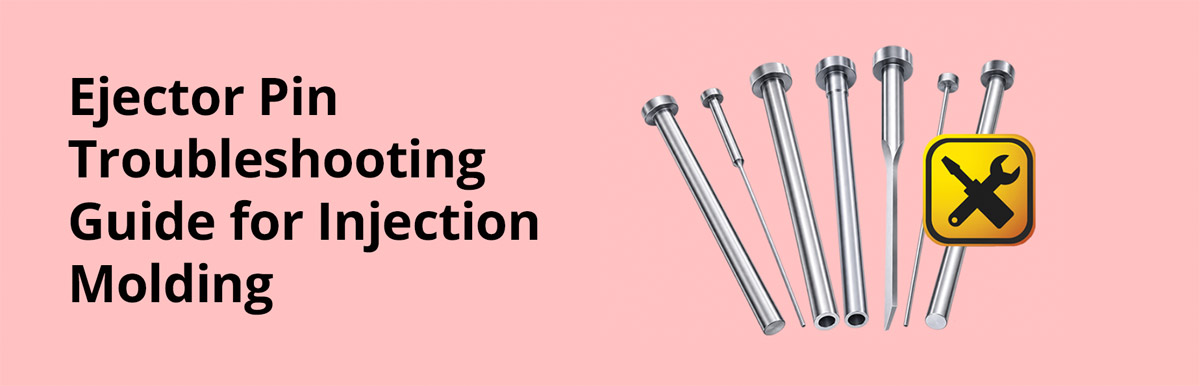
Sticky ejector pins are one of the most common complaints for injection molders and often the reaction is just to reach for more grease. This response is often erroneously treating the symptom and not the cause. While lubricants play an important role in production, adding another layer masks the actual difficulty rather than fixing the problem. In this article, we take a closer look at the various reasons why a pin is not moving properly. Read more...
Connect with Slide on Social Media!
Slide continues to expand our social media presence. Follow us on your favorite platforms for money-saving tips, helpful tools, fun facts, and more: