
May 19th, 2026
The Hidden Cost of Defects You Can’t See
“Everything looked great... until the parts came out.”
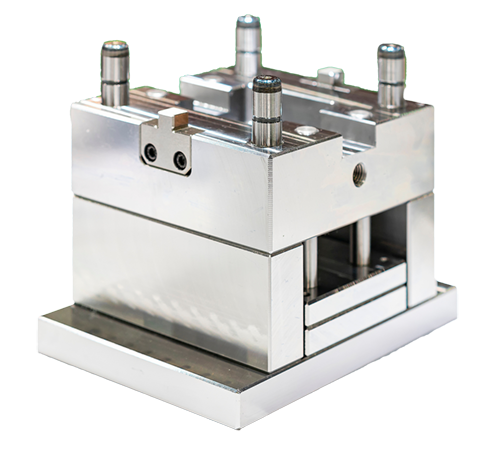
Achieving a true A-1 mirror finish in injection molding is a serious investment. After hours of meticulous polishing to create a perfectly reflective surface, the last thing you want is a bin full of rejected pieces.
What makes it even more frustrating is that some of the most expensive defects are the ones you can’t see until after the part is already molded.
A cavity can look pristine to the naked eye and still produce hazy and inconsistent results. In high-clarity applications like automotive lenses or medical components, it’s not just a cosmetic thing, but the difference between a usable part and scrap.
Common Causes of Defects in Mirror Finishes
“My mold was just cleaned... so why are the parts still hazy?”
When a polished mold starts producing imperfect results, your first instinct is to blame it on tooling. However, the issue often isn’t the metal, it’s what’s left behind on a surface. Three silent killers of a mirror look include:
1. Invisible Residue
“I used a no-residue cleaner... isn’t that enough?”
Most “no residue” cleaners are designed for general purpose molding. While these formulas remove heavy grease, trace films can still remain at a molecular level. The defect may be invisible during initial inspection but manifests as light distortion and reduced clarity in your finished product.
2. Contaminated Methods
“It looked dirty, so I wiped it down... simple fix, right?”
When a mold looks dirty, the natural reaction is to grab a shop rag. The problem in using towels, wipes or handling that mold with bare hands could potentially transfer contaminants right back on. Every time a human hand or cloth comes in contact with your project, the ROI of your polishing job drops.
3. Moisture & Condensation
“I cleaned it... so where did the spots come from?”
Polished cavities are especially sensitive to environmental conditions. If a cleaner lingers too long or the mold is exposed to ambient air, condensation forms quickly. This leads to blushing, water spots and even corrosion before the tool is returned to production.
“No Residue” vs. “Zero Film”: What’s the Difference?
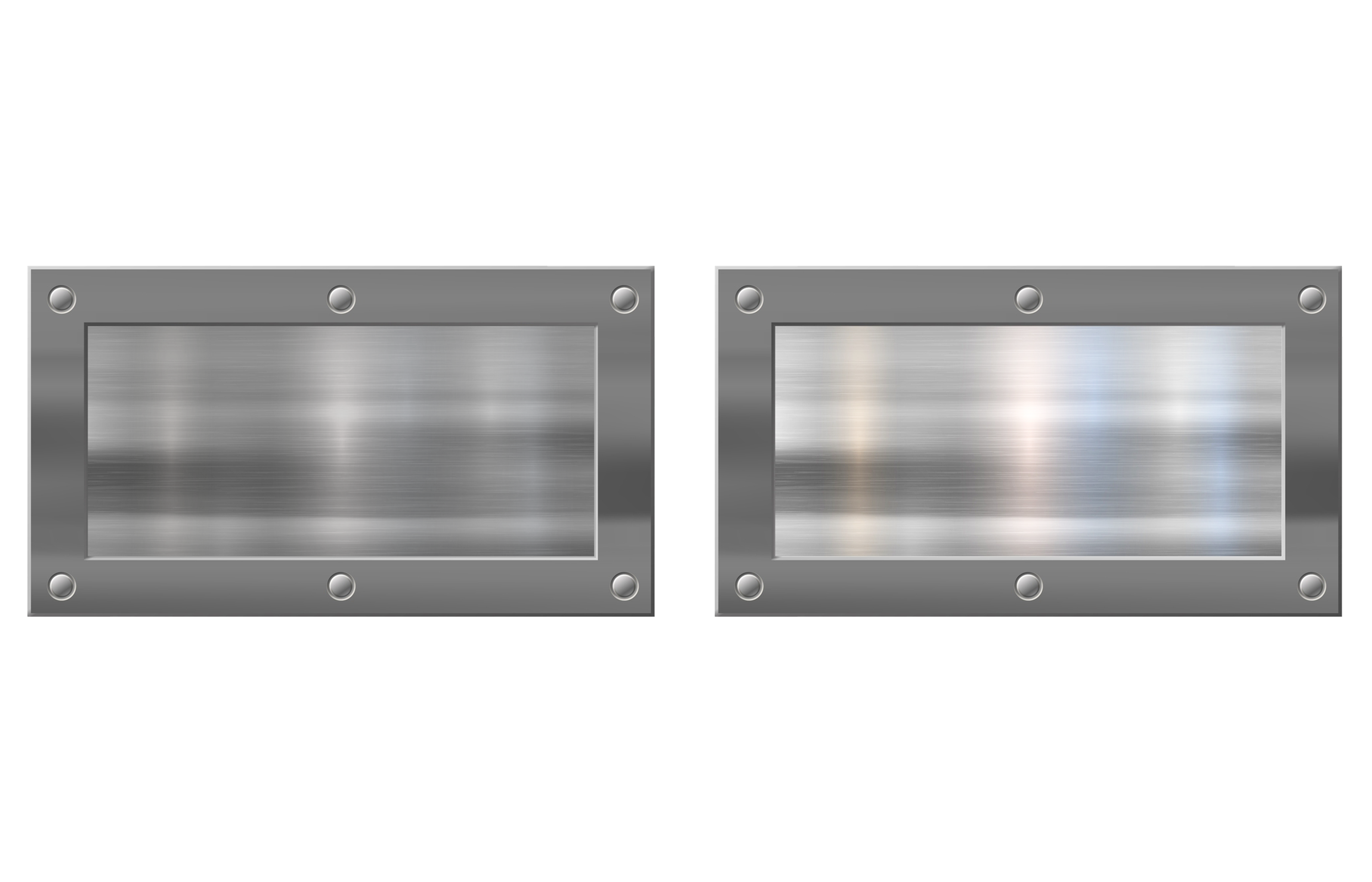
No Residue
Removes obvious contaminants and performs adequately for general molding applications.
Zero Film
Leaves no measurable impurities behind, as is necessary to achieve pristine results.
The difference between the two is what separates an “acceptable” part from a consistently flawless one.
Performance Without Compromise
As regulations tighten around VOCs and chlorinated solvents, many molders are understandably skeptical of newer, environmentally conscious cleaners in fear that they won't have the “muscle”. And for years, stronger cleaners meant harsher chemicals. But with the right solution, you don’t have to compromise outcomes to choose a greener option.
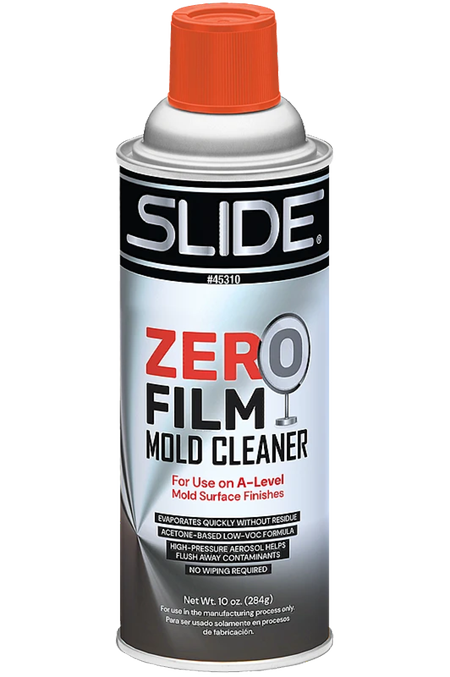
Transitioning from the X-EMPT formula to our new Zero Film Mold Cleaner was driven by the challenge of getting the same level of cleaning power without any tradeoffs. Using a specialized low-VOC, acetone-based formulation, it effectively removes oils, greases and polishing compounds, subsequently flashing off quickly and completely.
That fast evaporation rate is fundamental. The less time cleaners stay on a mold, the less opportunity there is for moisture to attack it. The result? A surface that’s more than visibly clear, but optically clean.
Best Practices for Maintaining a Mirror Finish
To protect your tooling and all the work that went into it, a “no touch” maintenance approach goes a long way:
Flush, Don’t Wipe
Use a high-pressure aerosol to flood the exterior and carry residue away. Wiping alone tends to spread deposit, so let your polish do the heavy lifting to lessen the risk of scratching.
Inspect Beyond Appearance
A mold can look perfect and still cause problems. Watch for recurring haze, dull spots or inconsistencies in completed parts.
Protect Immediately
Once the cleaner flashes off, the metal is stripped bare and becomes especially susceptible to moisture. Follow up with a quality rust preventive instantly to shield against condensation, fingerprints and elemental threats.
Control Your Environment
Limit humidity (where possible) and avoid touching polished areas directly. Even small variables can impact a high-gloss finish.
Maintaining a Mirror Finish
The moment a mold cavity is cleaned is also when it becomes most vulnerable. Without proper care and protection, the desired part finish will quickly degrade and turn into unnecessary maintenance, extra labor and added downtime.
For shops producing optical grade goods, maintaining quality goes far beyond careful treatment. It requires a process that actively controls and minimizes impurities at every stage.
As the demand for higher precision cleaning continues to grow, the margin for error on the line keeps shrinking. Reaching that mirror finish is not only about what you can see, but what's left behind.
The Zero Film Advantage
If you are chasing a hazing issue, re-polishing tools or dealing with inconsistent clarity or quality – the root cause may not be in your process at all, but what’s happening on the surface. A zero-film approach helps to eliminate those variables to give you a more reliable foundation for consistent production.
Now available, Slide Products’ Zero Film Mold Cleaner was developed to ensure fast flash-off and superior performance without leaving residue that can compromise your work or create costly downtime.


