
April 21st, 2026
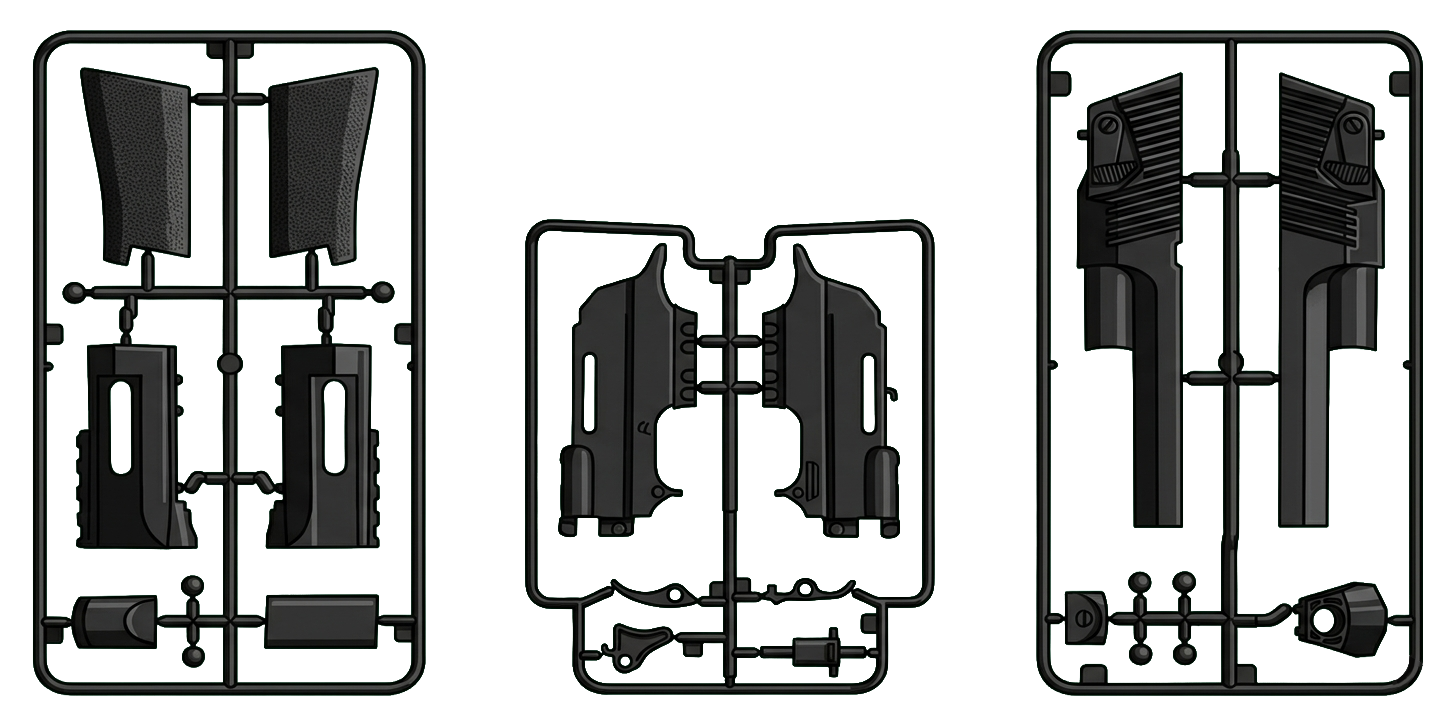
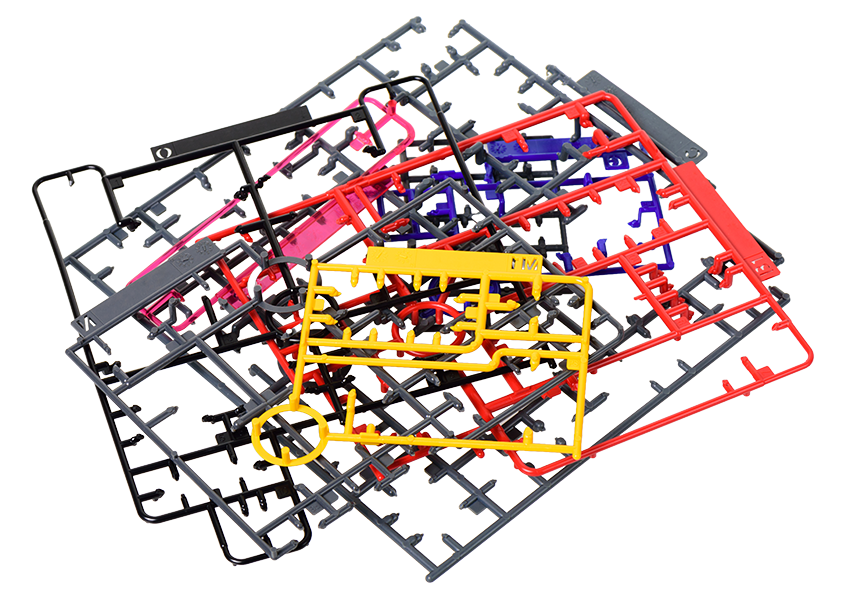
For most molders, their first encounter with tooling wasn’t on the factory floor, but at their kitchen table. Holding a tube of glue and an airplane or car model kit, we were met with the sprue. At the time, that tiny plastic “ladder” shaped frame was insignificant, and just a throwaway skeleton that held together parts until they were snapped off and assembled. Once the pieces were removed, the sprue was tossed aside and that was that.
In plastic injection molding, however, this runner tree is anything but disposable. The “lowly sprue” is an essential component in successful, high-volume manufacturing operations. While there may eventually be scrap or regrind, suitable performance during the injection process dictates the ultimate success or failure of final parts. Unfortunately, many molders still treat it with the same lack of care as they did with those childhood toy kits. In a professional setting, that mindset is a recipe for defects, downtime and unnecessary costs.
The Gateway to the Mold
For model kits, it simply acts as a protective cage and transfer scheme. Whereas in high production manufacturing, it’s this high-pressure vessel and serves as the primary channel between the injection unit and mold cavity.
The sprue oversees the critical transition of molten resin from the nozzle to the runner system. For this to occur effectively, there must be consistent maximum pressure and minimal heat loss. If this process isn’t managed or designed correctly, the entire hydraulic balance gets thrown off, leading to unpredictability and inconsistencies down the line.
The Hidden Cost of Poor Design
One of the most common issues with rogue sprues is rooted in their design, specifically a mismatched sizing between the machine nozzle radius and sprue bushing. When these components aren’t harmonious, several preventable issues develop including:
Pressure Drops
A poor seal directly reduces proper injection pressure, which is vital for filling the entire cavity and especially impacts thin-walled areas.
Leaks or Drools
An inadequate fit allows resin leakage at the nozzle. The resulting “drools” isn’t just a waste of expensive material; it creates a dangerous mess on the platens and eventually carbon buildup that requires unnecessary cleaning.
Sticking and Downtime
If the bushing is not polished or becomes pitted over time, it can stick. Subsequently, operators are forced to stop an automatic cycle and detach manually, halting production.
The Role of Cold Slug Wells
While the sprue moves the “good plastic” – the cold slug – located on the opposite opening, is designed to catch “bad plastic”.
After each cycle, a small amount of resin at the very tip of the nozzle cools and solidifies. When the next shot starts, that chilled slug is the first thing pushed into the mold. The cold slug well acts as a trap to prevent solid substances from entering the runner system. When this well isn’t fitted accurately, cold resin could block narrow gates or seep into the cavity, creating blemishes and structural weak spots on the final product.
Troubleshooting Common Sprue Defects
When sprues are neglected, molders pay the price on the processing line. Common issues include:
Air Pockets and Bubbles
Rough tapers or sharp transitions can trap air, causing gas burns or internal voids in the final pieces.
Warping and Longer Cycle Times
If the sprue is too thick, it takes longer to cool than the actual part. Since the mold can’t open until the thickest section is solid, a large sprue can confine the part, which ultimately raises cycle times and hinders output.
Short Shots
Any constriction in flow of resin or inadequate force within the sprue inhibits material from reaching its furthest points of the cavity, creating incomplete outlay.
Managing the Waste
The biggest difference between a toy model kit and the factory floor is how leftover plastic is handled. In manufacturing, the sprue represents a significant percentage of the shot weight and costs compound quickly.
Option #1 - Disposal Method (The Old Way)
Trimming the part and discarding the sprue into the waste stream.
With today’s sustainability goals and increasing resin prices, this is rarely a good option as recycling opportunities remain at the forefront in our industry.
Option #2 - Regrind Method (The Modern Way)
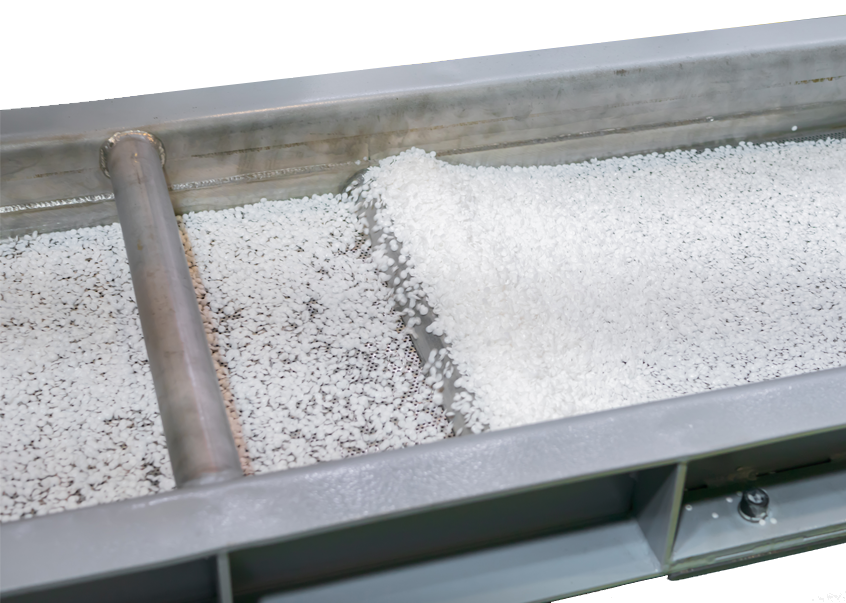
Feeding the sprue into a granulator, turning it into small chips, which then gets mixed back in with virgin resin.
Pro Tip: As a general guideline, we recommend that reprocessed matter (regrind) should account for 20% to 25% of the total weight. While some push this to 30%, there’s a risk to compromising the mechanical properties of the plastic. To maintain a reliable stream and prevent contamination, staying clean is vital.
Using quality mold releases and mold cleaners ensures sterile sprues and ease of release without dealing with sticking or dragging. This also averts thermal degradation in reused polymer.
Option #3 – Eliminating the Sprue
For higher volume jobs, some molders skip the sprue waste all together by investing in hot runner systems. Instead of letting the plastic in the runner solidify, they keep the material flowing continuously into the cavity. This approach comes at a bigger upfront cost, increased maintenance and more energy. However, when manufacturing substantial amounts of output, even a small cycle material saving can outweigh the initial costs.
On the flip side, for lower production runs, the investment doesn’t make much financial sense. A traditional cold runner system paired with a reliable regrind plan remains more of a practical solution. Excluding the runner scrap reduces regrind dependency and shortens cycle times.
Rethinking the “Lowly Sprue”
The sprue may be “scrap” in the model kit world, but for plastic injection molding, it remains the foundation to a successful cycle. By ensuring nozzles are compatible, maintaining clean sprue bushings and managing your regrind ratios, you can optimize your tooling for the best outcome. Next time you catch a sprue on the floor, don’t just see it as a piece of waste – appreciate how it made your product possible.


