
May 5th, 2026
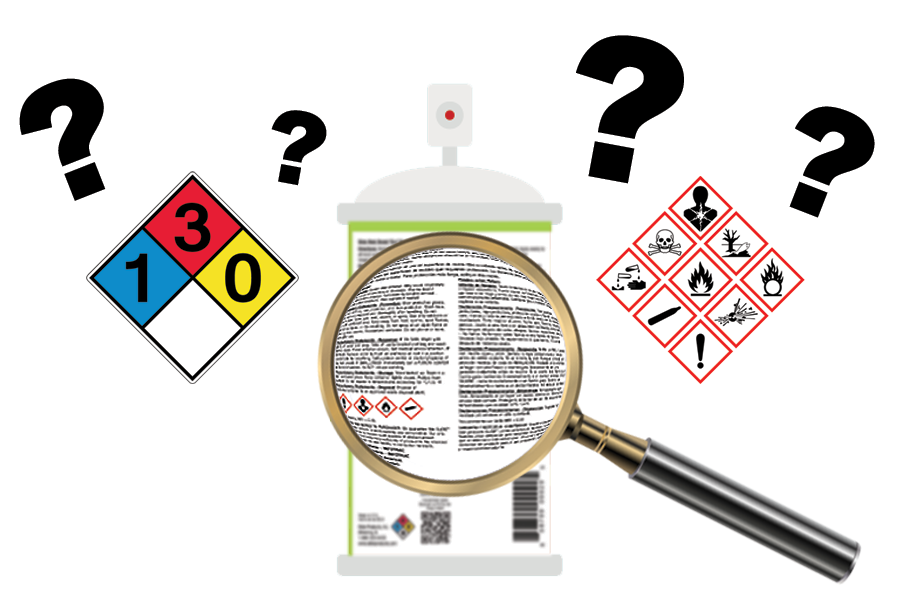
Recently, a long-time Slide distributor asked for a breakdown of everything included on our product labels. This is a great question, and it’s one that comes up often on a production site.
In plastic injection molding, a label isn’t just a regulatory requirement – it’s a practical tool for reducing risk. When your team can instantly recognize a threat and understand how to handle it, you will avoid unnecessary accidents and interruptions.
Current regulatory standards come from the Globally Harmonized System (GHS), adopted by OSHA to streamline hazard communication across industries. Let’s take a look at what this means for your operation, and what you should expect to see on every Slide product.
Essential GHS Elements
Many shop floor incidents don’t just happen because chemicals are inherently dangerous, they occur because labeling is unclear, missing or ignored. To bridge that gap, the Hazard Communication Standard (29 CFR 1910.1200) requires all product information have these six elements:
1. Product Identifier
A unique name or code directly that matching to its corresponding safety data sheet (SDS).
2. Hazard Statements
Short phrases specifying the nature of potential hazards (example: “Extremely flammable aerosol”).
3. Precautionary Statements
Instructions for usage, storage, disposal and mandatory personal protection equipment (PPE).
4. Signal Word
A fast indicator of threat severity:
- Danger = more severe
- Warning = less severe
5. Pictograms
Diamond-shaped symbols meant for instant visual recognition.
6. Supplier Information
Manufacturing name, address and contact details, so you always know who to reach when questions come up.
24-Hour Emergency Response
In addition to required GHS elements, Slide offers a 24-hour emergency response phone number on every product. If there is ever a spill, exposure or medical concern, you will have access to expert guidance so you aren’t left to figuring it out on your own.
Why it Matters for Molders
Injection molding environments involve daily interaction with resins, mold cleaners, purging compounds and lubricants. Without clear indicators, dangers like chemical burns, toxic inhalation exposure or fire can escalate quickly. When markings are consistent and easy to interpret, the right call could be made faster, especially in situations where split-second reaction is vital.
Dissecting GHS Pictograms
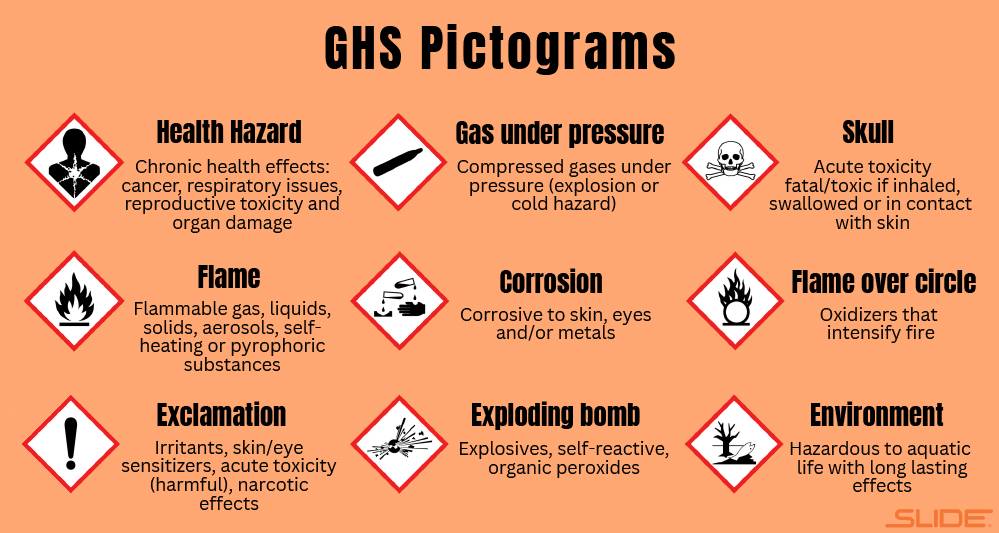
GHS uses nine standardized pictograms, separately representing a specific type of hazard. These red diamond symbols are intended for instant recognition in rapidly moving production settings, where there is no time to stop and read fine print:
NFPA 704 Breakdown
While GHS focuses mainly on handling and communication, the NFPA system is curated for emergency responders who need to assess circumstances right away.
Red (Top) – Flammability (0-4)
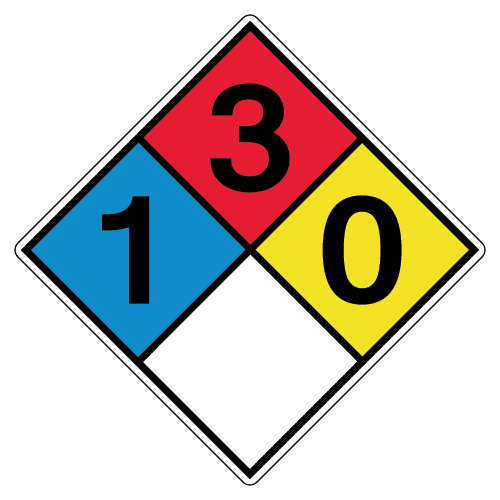
- 0 – Will not burn
- 4 – Extremely flammable, flash point below 73℉ (32℃)
Blue (Left) - Health hazards (0-4)
- 0 – Minimal risk
- 4 – Severe or life-threatening exposure risk
Yellow (Right) – Reactivity / Explosiveness (0-4)
- 0 – Stable
- 4 – May detonate under normal conditions
White (Bottom) - Special hazards
- W – Water reactive
- OX – Oxidizer
- SA – Simple asphyxiant gas
Secondary Container Requirements
For smaller sized containers like spray bottles, labeling is still needed, unless every one of the following conditions exist:
- Chemical is used within the same shift
- Operator who transferred it remains in the work area
- Container always stays under their control at all times
If just one of these stipulations aren’t met, comprehensive tagging is required with no exceptions.
Label Maintenance Best Practices
Even the most precise labels won’t help if they aren’t readable. In molding environments chemicals, heat and handling take a toll over time. To stay compliant and effective:
- Perform routine label inspections
- Replace damaged or indecipherable labels
- Ensure matching to the correct SDS
- Use chemical-resistant materials when possible
Slide’s Industry Specific Considerations
Some molding applications require additional markings – you may find these on our cans:
- NSF Registered Certification – Food grade applications
- USDA BioPreffered – Biobased products
Simple and Effective Safety
At the end of the day, labeling should make your life easier, not more complicated. When information is clear and concise, your team doesn’t have to stop and second-guess what they’re handling and how to appropriately respond. This translates to more confidence on the line, fewer mistakes and better decisions for a safer workplace overall.
If you ever have questions or concerns about what should be on a product label or want to make sure you are set up for success, contact a Slide expert for professional advice.


