
April 7th, 2026
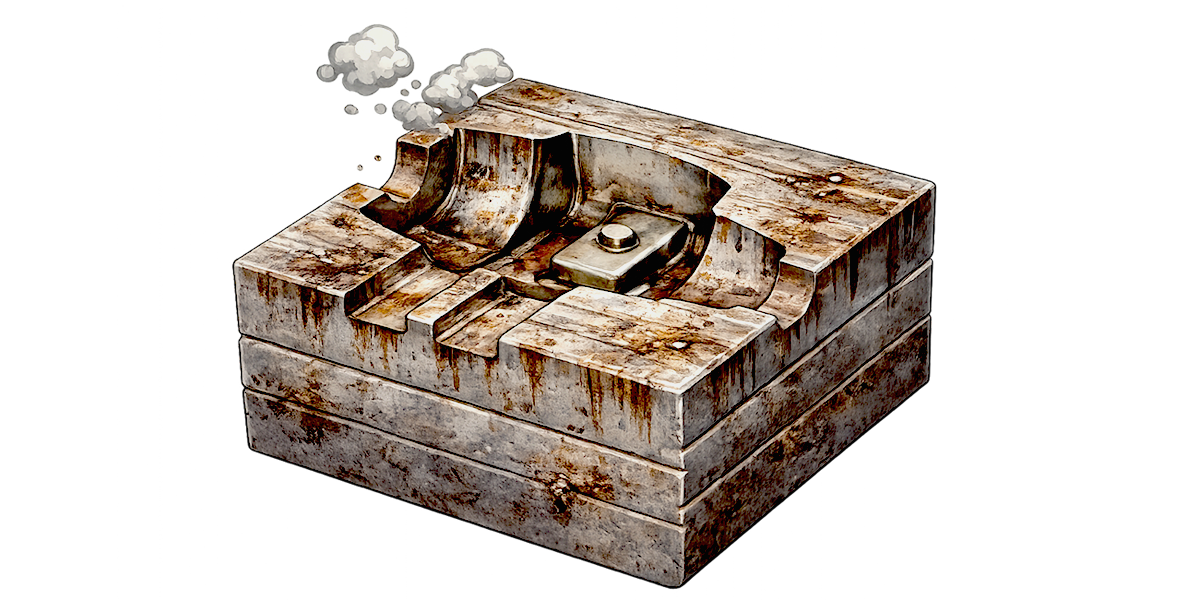
Injection mold cavities are one of the most valuable and expensive assets for plastic molding. However, many technicians underestimate the damage that rust and corrosion can cause until it impacts part quality, increases cycle times and reduces production efficiency.
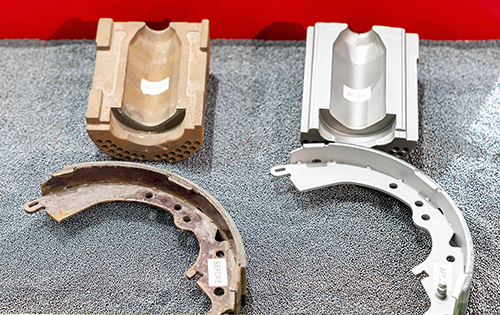
When steel is repeatedly exposed to heating and cooling, condensation forms and creates the perfect environment for oxidation. If left untreated, iron oxide develops, leading to potentially costly repairs. Catching the warning signs can help you address deterioration before it escalates into larger, long-term issues.
Signs of Rust in Injection Molds
Discoloration and Ghosting
Early signals of oxidation often present as slight color variations or a dull sheen on part surfaces. Inspect finished products under proper lighting and look for any indicators of inconsistencies in appearance or finish.
Pitting and Surface Defects
Corrosion typically starts as irregularities on the mold itself. Over time, these expand and transfer directly to parts. Examine for small dimples, rough textures or uneven spots, which are often caused by internal pitting.
Increased Friction and Ejection Issues
Rust creates a rough surface which intensifies friction. As a result, components become harder to eject, cycles times increase and parts may get damaged during ejection. Pay attention to heightened resistance, sticking and other unusual defects.
Cooling Inefficiencies and Waterline Buildup
When mold temperatures drop below the dew point during cooling, moisture can form inside the mold. This trapped wetness creates ideal conditions for rust and mineral buildup, restricting water flow over time.
Unusual Odors During Production
Rust produces a sulfuric like or metallic smell when the mold is heated or opened – often indicating that oxidation is occurring.
Flash and Parting Line Defects
Corrosion and uneven areas near the parting line prevent a proper seal. Molten plastic can then escape the cavity, resulting in flashing or gaps in the completed piece. Inspect finished products for excess residue around joints, openings along edges and inconsistent sealing.
What Causes Rust in Injection Molds?
Improper Storage
Storing injection molds without adequate protection – especially in humid conditions – accelerates oxidation and corrosion.
Condensation
Temperature fluctuations when moving warm molds to cooler environments, or vice versa, produce moisture. Poor climate control drastically increases the risk of rust formation.
Corrosive Resins
Some materials used in plastic injection molding carry additives that release gases, especially through the course of changing processing temps. In this case, use specialized mold metals or coatings when working with such resins.
Water Leaks
Defective O-rings and improper connections allow water to seep into crevices where it shouldn’t be and invites trouble into mold cavities.
How to Prevent Mold Corrosion
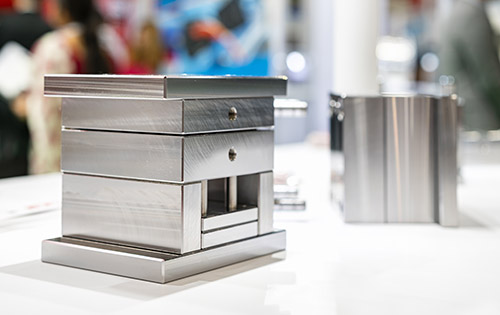
Protection and cleaning are essential – never forget to consistently maintain your equipment after each job. Using both a mold cleaner or mold wipes and a neutralizer for acids will remove contaminants.
Apply a Rust Preventive
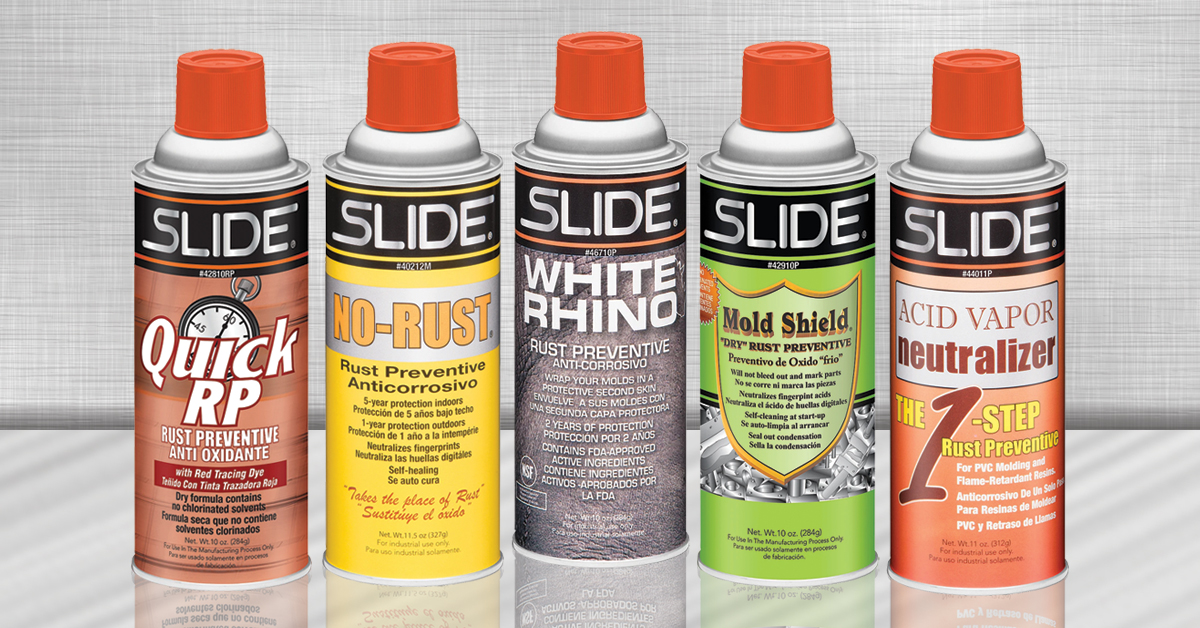
Depending on your application, choose from either a water-based or oil-based rust prevention solution to preserve the integrity of your machinery.
Perform Regular Machine and Mold Maintenance
- Flush waterlines and cooling channels
- Inspect seals and O-rings for wear
- Check components for early signs
- Look for and address leaks right away
Rust and corrosion aren’t always immediately visible but be attentive to initial warning indicators. Identifying problems onset can save thousands in repairs, prevent downtime and keep your production line moving smoothly. Incorporating a proactive maintenance plan is key to keeping molds performing at their best.


