

January 20th, 2026
Proper mold venting plays a critical part in injection molding manufacturing, primarily allowing trapped air and gases to adequately escape cavities during a fill. When these pathways become clogged, gases compress inside the mold leading to defects such as short shots, voids, burn marks and compromised part quality. While blocked vents are often treated as a simple cleaning issue, the bigger picture is far more complex and expensive if left untreated.
Why Mold Venting Blockage Occurs
Made intentionally very shallow to enable gas and air release, these channels are also highly susceptible to attracting debris and harmful contaminants over time. The main contributors to this obstruction include:
- High regrind content, which increases degraded material and off gas
- Overuse or improper mold release that traps polymer buildup
- Inadequate vent depth specifically for resin type being processed, thus restricting initial airflow
- Highly volatile materials like acetal (POM), nylon (PA), PVC blends and certain filled or flame-retardant resins that off gas during molding
Early Warning Signs
Impeded egresses aren’t just plain dirty but encumbered with thermally degraded material that disrupts normal processing. Here are some of the warning signs to look out for before obstruction becomes an issue:
- Inconsistent fills on similarly designed cavities
- Random surface defects, flaws or burn marks
- Noticeable signs of gas smells near the parting line
- Recurring short shots even with proper settings
In most cases, operators will make parameter adjustments rather than addressing the root cause of the glitch. This approach masks existing problems and tends to accelerate long term risk.
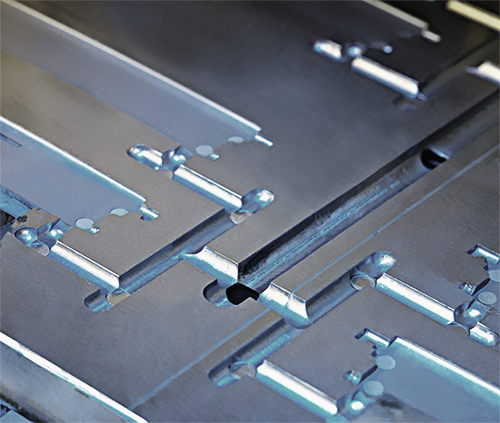
Why Mold Vents Can Appear Clean but Still Be Blocked
While outlets might appear to be clean to the naked eye, even microscopic residue can create havoc when it comes to appropriate gas evacuation. Very thin films left behind could coat surfaces and reduce airflow, even without fully closing the channel. Due to the shallow nature of a vent geometry, even trace amounts of residue can interfere with suitable air release.
Why Resin is Hard to Remove
Polymer that gets trapped in these channels becomes increasingly difficult to remove due to repeated exposure to a combination of heat and pressure. Over thousands of cycles:
- Repetitive molding cycles can bake material onto edges
- Molten resin flashes on to vent grooves under injection pressure
- Additives and other volatiles form a stubborn sticky layer that attracts additional buildup
Why Not Just Use a Mold Cleaner?
Traditional mold cleaners are designed primarily for routine maintenance and targeted at the removal of basic light oils and greases. While a conventional cleaner evaporates quickly, it doesn’t quite break down synthetic bonds as well as a powerful resin remover. Once the polymer has adhered to steel, surface cleaners alone become ineffective. Although helpful, these cleaners may require an extra step using a stronger solution such as a resin remover.
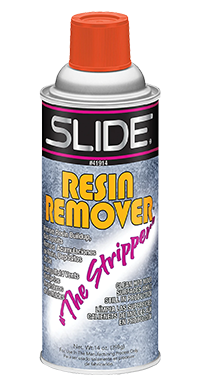
Resin Remover
This unique product is formulated specifically to break down leftover resin pollutants and any adverse deposit on vents and related components, even during servicing. It reacts chemically by softening and dissolving baked-on polymer – penetrating hard to reach affected areas – eliminating the need for harsh mechanical abrasives.
Resin remover improves airflow and restores functionality without damaging ductwork, bypassing the need for manual scraping. This making it perfect for both on-press upkeep and deep servicing.
On-Press vs Off-Press Cleaning
Light to moderate contamination: On-press usage helps keep vents clean and working properly before defects occur or create disruption. This solution is particularly efficient in such scenarios, by breaking down impurities without requiring mold removal.
Severe to long term contamination: Off-press application may be required, but a regular routine of utilization can significantly decrease the severity and frequency of these events.
Achieving clean mold vents is not only an important maintenance task, but a critical part of prevention and production insurance. Using a compound specially made for tackling the removal of polymer filtrate can help to maintain a steady airflow, protect the integrity of your components and prevent failings before production is unnecessarily halted.
Get Expert Advice
Slide Products is committed to helping you find the right solution for your injection needs. Browse our Mold Cleaners page for a variety of formulation options, all available as samples upon request. If you are looking for further assistance, whether it be a simple question or on-site help, request a free appointment through our Top Tier Service program.


