
June 23rd, 2026
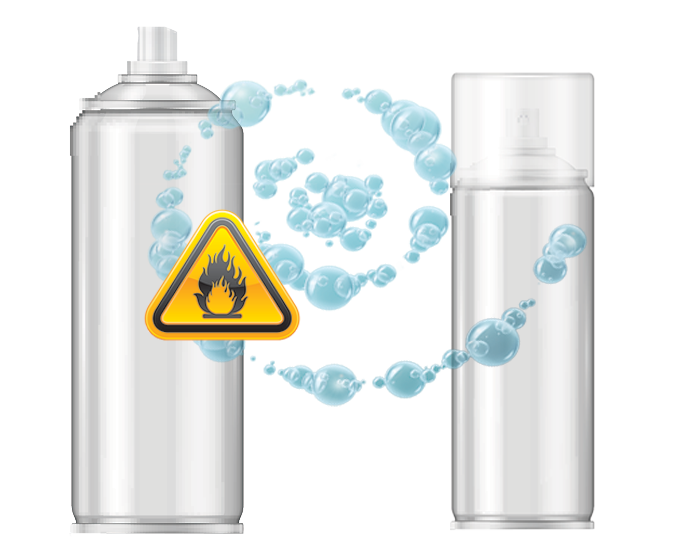
“I’m looking for a non-flammable mold cleaner.”
It’s a request that we hear a lot, and from a surface level standpoint, it makes perfect sense. Injection molding environments involve hot molds, hydraulic oils and other high temperature equipment. Naturally, many molders assume that choosing a non-flammable product must be the most logical choice, when it’s rarely ever that simple.
If a customer asks for a non-flammable mold cleaner, the first question we always ask is: “What problem are you actually trying to solve?”
Reducing fire risk is a valid goal; however, focusing on one single characteristic can sometimes unintentionally introduce issues elsewhere. Ignoring what’s behind the label can trade fire hazard risks for new and much larger concerns involving safety, compliance, equipment compatibility and overall production costs.
The objective isn’t to try and get rid of one potential hazard but identify its root cause and define what underlying factors initially led to a request without creating added complications.
Why Molders Ask for Non-Flammable Cleaners
These formulations are designed to remove heavy greases, oils, anti-seize compounds and other contaminants while minimizing any ignition threats that are associated with traditional solvent-based products. There are several reasons why non-flammable cleaners are appealing to manufacturers:
- Reduced likelihood of fire around hot equipment
- Easier handling in certain work settings
- Simplified storage requirements
- Less strict regulatory compliance standards
Such advantages might seem reliable on paper when evaluating options, but not every circumstance has a one size-fits-all solution. The key thing to remember is that flammability is only just a part of the whole equation when considering which mold cleaner to use.
Non-Flammable Does Not Always Mean Safer
“It won’t burn, so it can’t hurt, right?”
For decades, industrial cleaners relied on chlorinated or brominated solvents to deliver both exceptional cleaning benefits and low flammability. While effective, many of these chemicals have been linked to severe health problems and environmental degradation. In high temperature molding environments, that heat can increase solvent evaporation, resulting in higher airborne vapor concentrates and greater potential for toxic inhalation exposure.
Trichloroethylene (TCE) & Perchloroethylene (Perc)
Once widely utilized in industrial degreasing applications, these solvents are now heavily restricted under the EPA’s Toxic Substance Control Act (TSCA) due to their extreme toxicity and classification as a carcinogen.
N-Propyl Bromide (nPB)
Introduced as a popular replacement for certain chlorinated solvents, recent research linked long-term nPB exposure to severe neurological impairment, increased cognitive decline and reproductive harm. As a result, a lot of manufacturers have moved away from all products containing N-Propyl Bromide.
Just because you eliminate the fire peril doesn’t automatically eliminate other hazards. Sometimes the best solution isn’t always the one with less flammability – it’s the one that balances worker safety, cleaning performance and operational compatibility.
Processing Performance Matters
“My mold was cleaned, so why are problems still occurring?”
Even when you find a product that meets basic safety requirements, the ingredients can still have a detrimental impact. Depending on the formulation, it’s important to note that certain kinds of cleaning agents can invite active challenges during production cycles that can become costly over time.
Moisture and Flash Rusting
Water-based cleaners evaporate more slowly than solvent-based counterparts. Trapped moisture inside complex mold cavities could introduce flash rusting and corrosion, requiring unnecessary maintenance expenditures.
Component Swelling
Harsh solvents can easily attack elastic components on machinery, causing critical seals, O-rings and gaskets to swell, degrade or even fail when repeatedly exposed to incompatible chemicals.
Plastic Compatibility
Certain plastics like acrylic, ABS or polycarbonate are more susceptible to stress cracking (often called crazing), when met with aggressive solvent vapors. These microscopic cracks hurt not only the cosmetic part appearance, but structural integrity.
Cleaning a mold shouldn’t invite undesirable variables that threaten your manufacturing processes. Therefore, selecting the right cleaner will remove contamination problems while protecting your tooling, equipment and finished parts.
Reading Beyond the Front Label
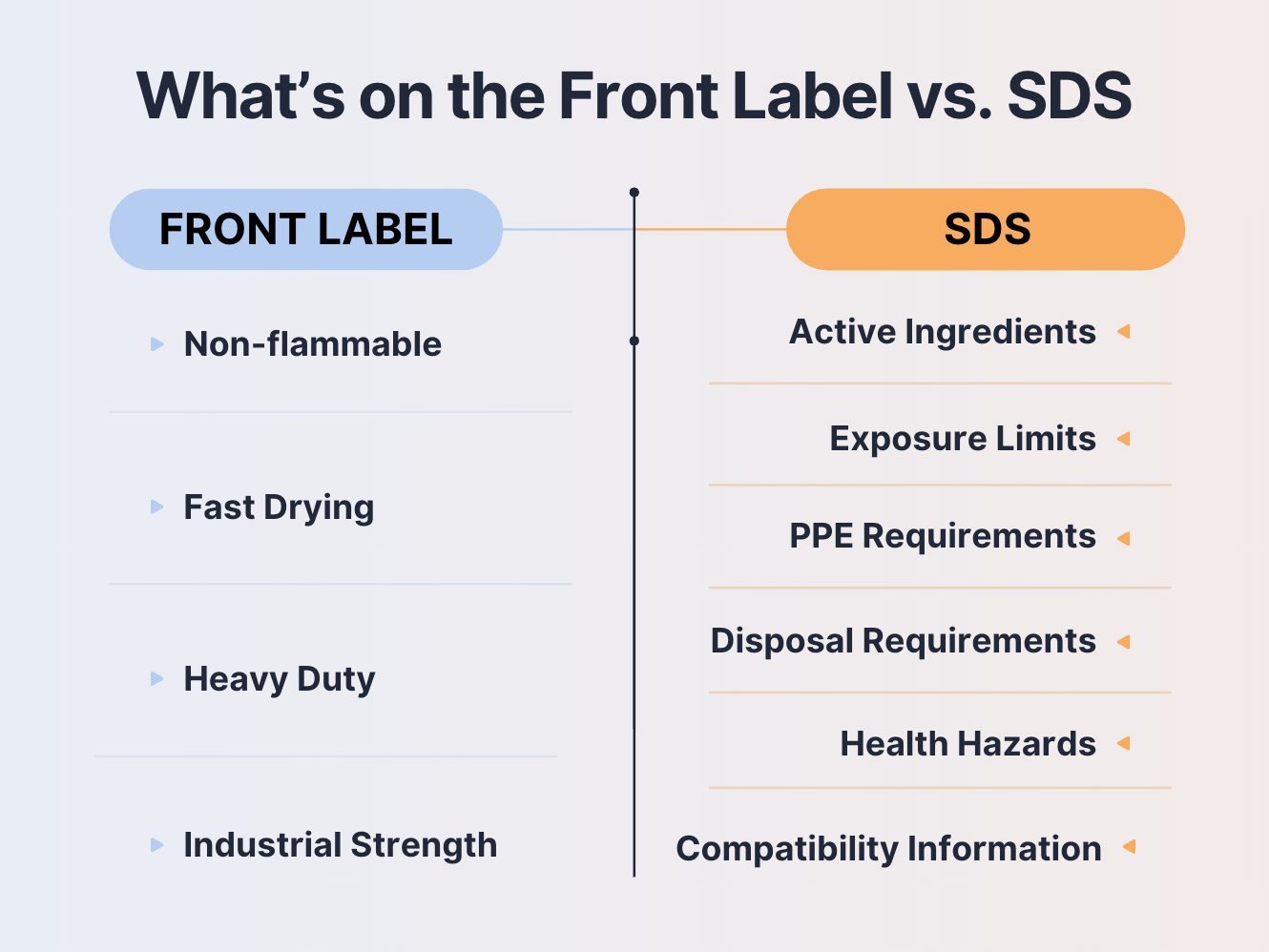
When looking at a front facing label, it may list properties like “fast drying” or “heavy-duty”, but to find the proper mold cleaner, you should reference the corresponding Safety Data Sheet. The SDS provides critical information related to the active ingredients, exposure warnings, proper PPE and disposal regulations. From there, you can evaluate which non-flammable mold cleaner is best suited to your needs. You might be surprised that it’s not necessarily one that has the highest flash point.
Ask Yourself: “What problem am I trying to solve?”
If fire prevention is a main concern, then non-incendiary must be a top priority. But if the real challenges encompass residue, corrosion or compatibility, then other characteristics deserve the same attention.
We’ll Help Find the Proper Fit
Choosing the correct mold cleaner that will work for your operation requires more than getting rid of the combustibility aspect. The most effective choice balances performance and compliance to support long-term success.
Upgrade Your Injection Molding Products – The Switch to Slide Tool
We know that eliminating the habitually used products you’ve relied on for years can be daunting, but you won’t have to worry about trading in value or efficiency to achieve the results you want. Slide Products offers a helpful Switch to Slide Tool as a fast and easy way to determine the most compatible alternative to get exactly what works best for your specific set-up. As another option, reach out to our team of and let’s discuss your processing demands.


