
November 10th, 2026
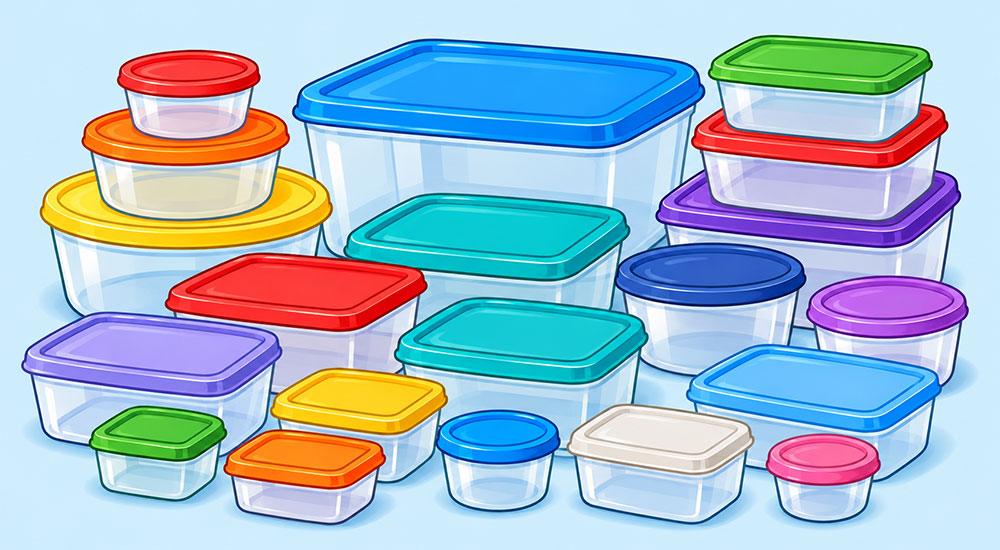
As the holiday season approaches, so does the time for cooking large meals, entertaining and, of course – leftovers! Millions of Americans will be scrambling to get their uneaten remnants packed up securely and preserved so nothing gets wasted. Fortunately, food storage systems have revolutionized our ability to address this challenge.
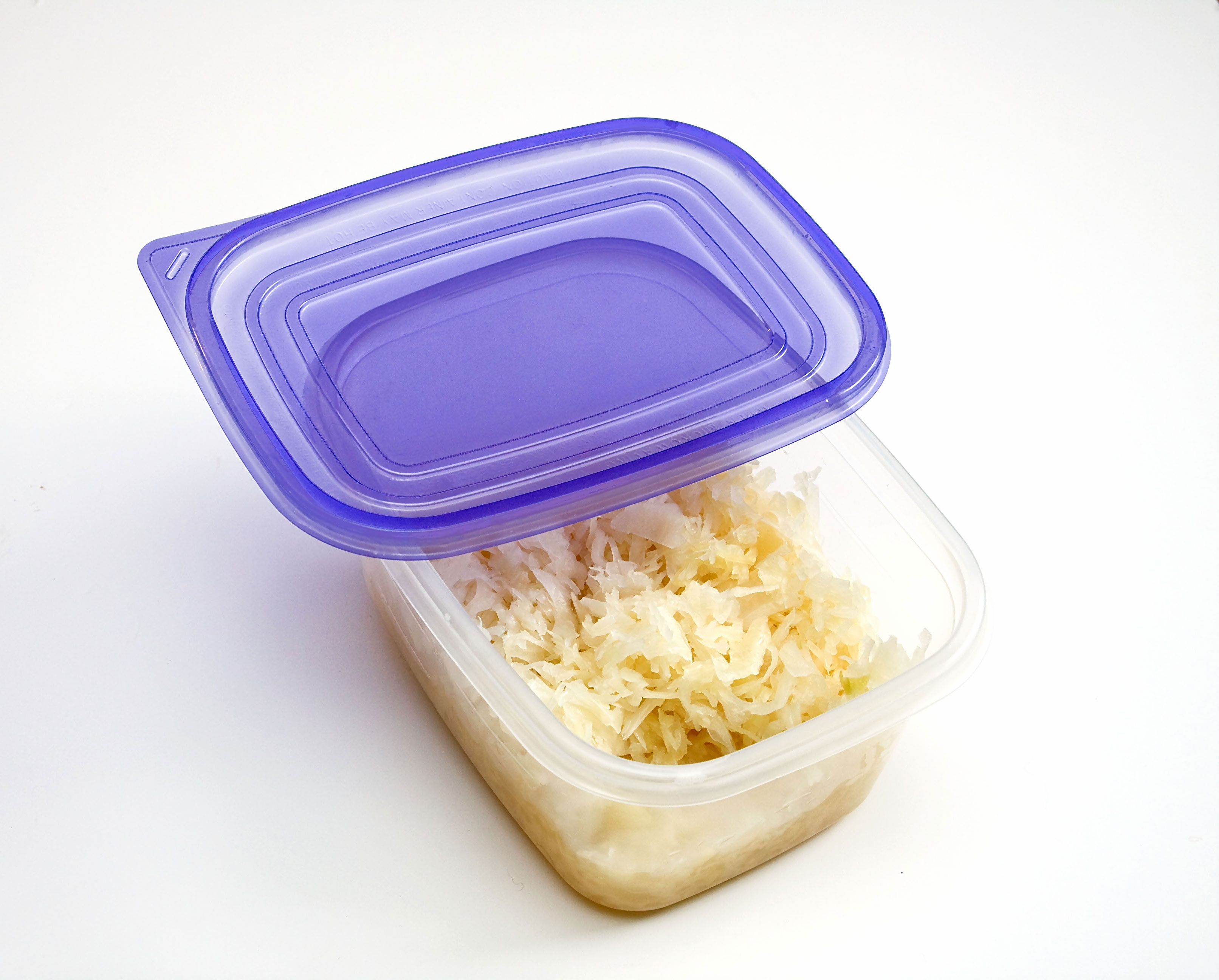
Traditional food storage lived in a simpler world for decades, going back to the 1940s with the invention of Tupperware by Earl Tupper. Single-resin polyethylene or polypropylene lids needed a friction fit and thumb-peel corner to contain leftovers. Somewhat effective for short storage periods, these containers didn’t provide a true airtight seal and lids eventually warped or leaked.
Today, industry leaders in premium plastic kitchenware like Snapware and Rubbermaid have reached a whole new level in meeting consumer expectations. These innovative leak-proof, multi-latch clear containers can preserve food exponentially longer.
It takes some very sophisticated injection molding production to pull off this consumer convenience entailing clever orchestration of multiple resins and advanced tooling techniques.
The Engineering Challenge
Creating a container that snaps shut with an audible click and has an air- and liquid-tight cover necessitates a multi-faceted engineering process.
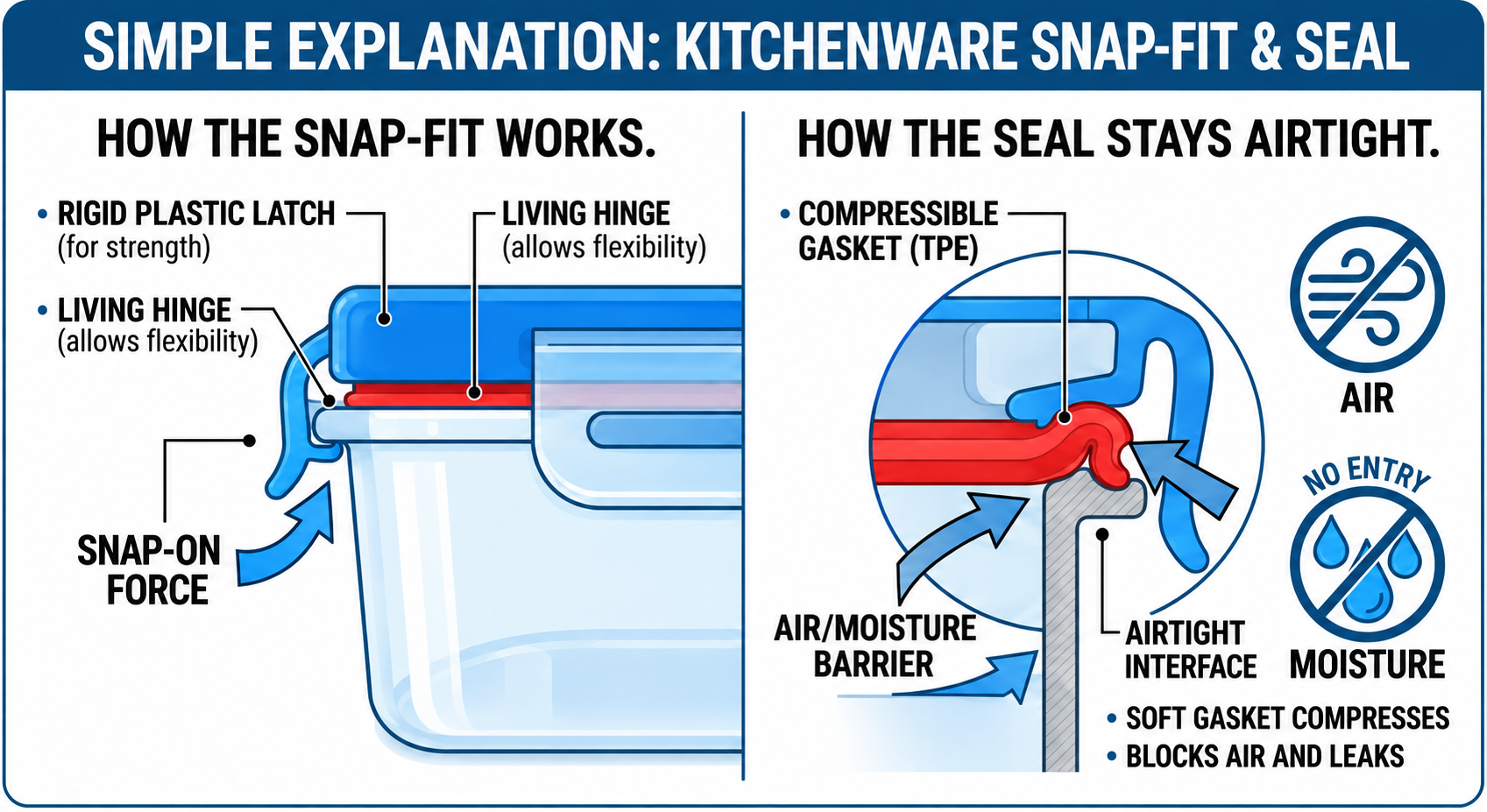
Structurally, a lid frame and matching base need excess stiffness and fatigue resistant properties to latch and hold repeatedly without fail. Whereas the gasket requires flexibility and extreme elastic memory to bridge any tiny imperfections between lid/base sets. Modern molders employ a multi-resin architecture to solve this conundrum.
Multi-Resin Synergy on the Mold Floor
Rather than relying on a single homogenous piece of plastic, today’s high-performance lids and bases utilize a blend of polymer families.
- Rigid resins are used for core structural components (Polypropylene/PP or SAN/Polycarbonate), providing good chemical resistance, fortitude and low moisture absorption.
- Elastomeric resins (Thermoplastics, TPE or LSR) can be over-molded or inserted into the interior frame to form a gasket seal.
When a lid is clamped down, the stiff PP applies uniform pressure, thereby compressing the flexible TPE gasket into a dedicated channel. This acts as a compressible spring to entirely lock out air and moisture.
Molding Complexity and Production Hurdles
Producing multi-resin lids introduces unique manufacturing challenges:
- Manage Differences in Shrinking: Due to different shrinking rates between rigid polypropylenes and TPEs during the cooling phase, precise allowances must be built into mold cavities to prevent gaps, warping or loose seals.
- Multi-Shot (2-shot) Injection: The rigid frame can be molded in shot one using rotary platens and a TPE gasket shot onto it in shot two, guaranteeing a strong molecular/mechanical bond.
- Flawless Mold Maintenance: Intricate multi-cavity tools with fine gasket channels require meticulous care. To prevent part sticking without contaminating consumer-facing surfaces, rely on high-efficiency purging formulations during changeovers and choose clean, food-safe mold release products.
Mold Maintenance Solutions
Slide Products factory expert Brian Bullard has ample experience in working with customers in the food packaging industry, and stresses that any mold maintenance solutions apply to indirect food contact only. Slide’s food-grade offerings include mold releases (for those that actually need one). Pure Eze is very popular because it’s light, paintable and non-silicone. Knock Out and EconoMIST are also common choices contingent on the specific application. For high-temperature lubricants, NSF-certified, PFAS-free UltraHeat Grease serves critical roles in kitchenware manufacturing due to specific regulatory and performance demands particular to that sector.
Result: Superior Freshness
Injection molders have given brands like Snapware and Rubbermaid (among others) the competitive edge by “marrying” structural integrity of rigid thermoplastics with advanced elastomers. The result is a container that doesn’t just hold food but actively preserves it by locking out air and moisture – dramatically extending shelf life as compared to single-resin methodology. Such technology is the true magic behind modern kitchenware success.


